Corpinnat begins the earliest grape harvest in history.
Climate crisis and rising temperatures are accelerating grape ripening. In eight years, Corpinnat has increased the price it pays to producers by more than 50%
The harvest in the heart of the Penedès has begun. Historically, it would start during the first fortnight of September, but in recent years —and as a direct consequence of rising temperatures— the harvest has moved forward. This year, the start of the 2026 harvest marks a historical milestone: nearly a dozen Corpinnat wineries began harvesting in July. The remaining wineries will start the harvest over the coming days, and almost all are expected to be harvesting by next week.
Winter rains allowed the plants' water reserves to recover after three years of extreme drought. Even so, over the past few months, we have suffered from a lack of rain again, which, accompanied by rising temperatures, has accelerated grape ripening. The quality of the grapes will be optimal, but the scarcity of rain will cause a drop in the initially expected yield.
50% more per kilo of grapes
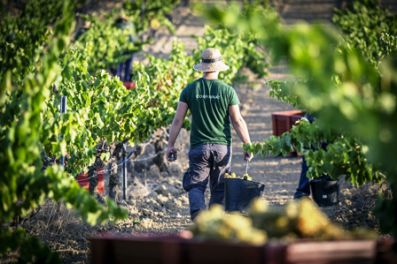 The commitment to the territory is also reflected in the purchasing prices of grapes from winegrowers in the heart of the Penedès. For this reason, since the creation of Corpinnat in 2018, guaranteed minimum prices have continuously grown, reaching an increase of over 50%.
For this campaign, the minimum price has been set at €0.943 per kilo of organic, hand-harvested grapes. For Corpinnat, guaranteeing a fair grape price makes it possible to support winegrowers —who care for the vineyards and our landscape— dignifying their efforts and ensuring generational succession.
The Corpinnat philosophy focuses on the quality of Corpinnat sparkling wines. With this goal in mind, the wineries have proposed a reduction in the maximum press yield, which this year will be 64.4%. This new step is meant to be permanent and is part of the ongoing study and analysis conducted by Corpinnat wineries to continue driving change in the sector.